
We’re proud to announce our 2026 Research Impact Grant winner: Annette Carroll
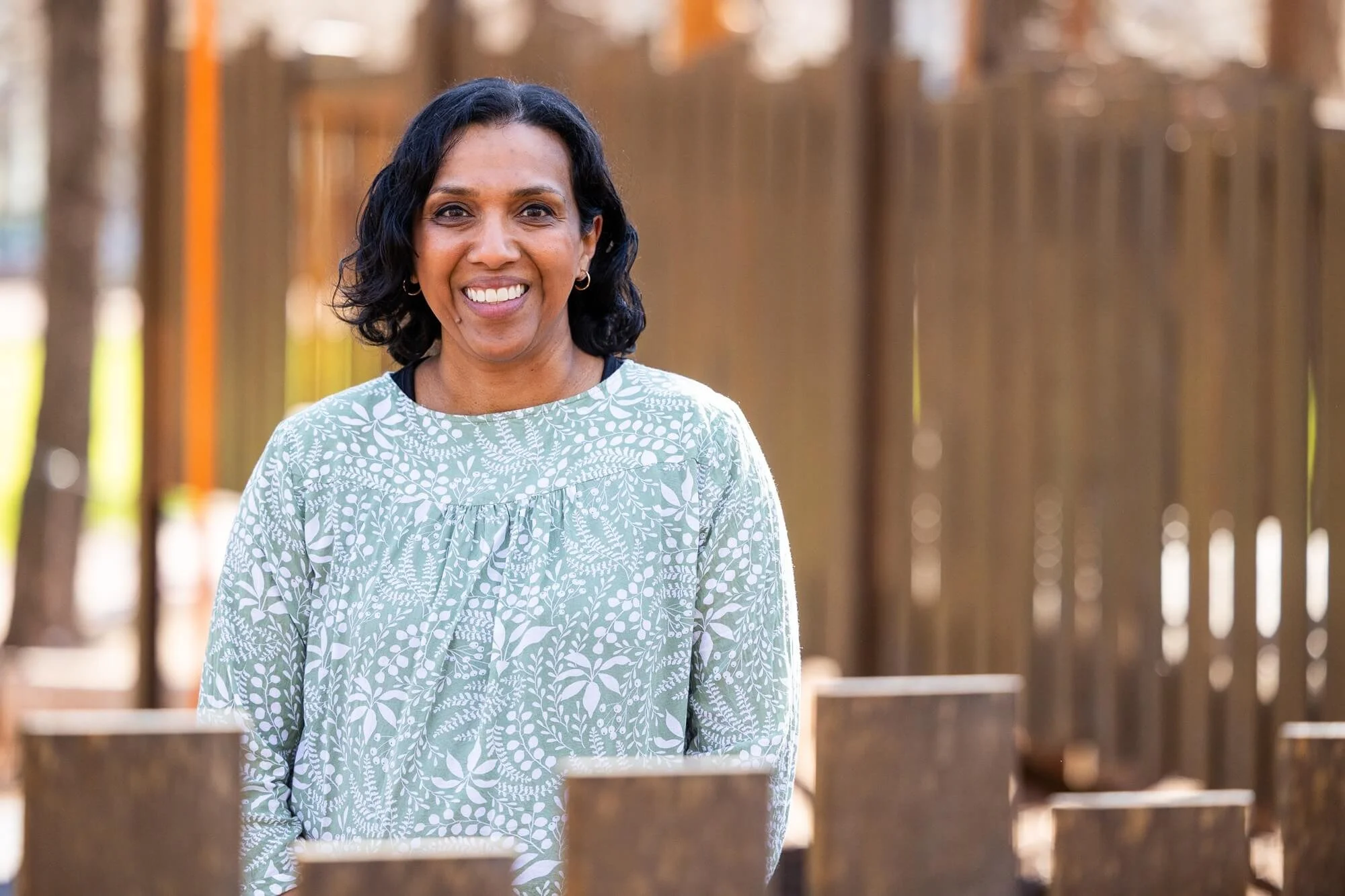
We started the Research Impact Grant with a simple idea: back research that actually makes it out of the filing cabinet and into the rooms where educators work with children every day. This year’s winner is a perfect example of that, and we’re thrilled to introduce her.
Meet Annette Carroll, a PhD candidate at La Trobe University’s Olga Tennison Autism Research Centre (OTARC) in Bundoora, Melbourne. Annette is the winner of our 2026 Research Impact Grant, and we couldn’t be happier to be supporting her work
What she’s building
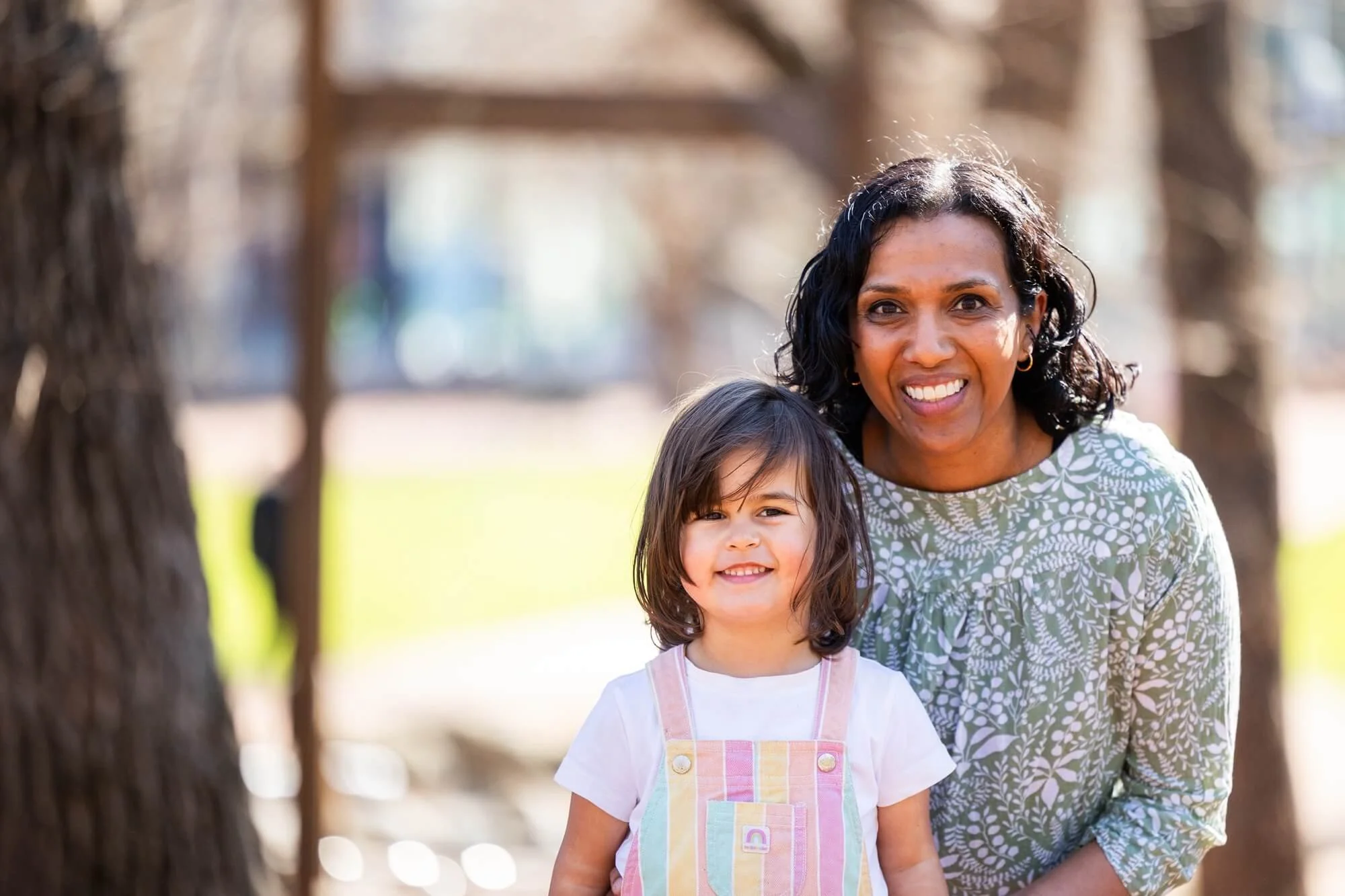
Annette’s project is called Feelings & Flourishing. In plain terms, it’s a practical toolkit for early childhood educators to help them read and support the wellbeing of autistic children aged nought to five. It’s co-designed, which means educators, families and autistic children are helping shape it — rather than having something handed to them from on high.
The heavy lifting of the background research is already done. Annette has worked through systematic reviews and studies with families, educators and autistic children to understand what actually helps. Now the project moves into the part we’re most excited about: co-designing the toolkit itself and running a four-week pilot to see how it holds up in real rooms with real children.
What the grant provides
We’re backing Annette with a $20,000 Research Impact Grant, plus a further $10,000 in implementation funding — $30,000 in total. The implementation funding matters to us. It’s one thing to fund research; it’s another to help make sure the finished tool actually gets built, tested and used.
And here’s the part that makes this genuinely exciting. OTARC has secured $11 million in government funding to establish a national autism knowledge hub. That hub will host and distribute Annette’s toolkit free, right across Australia. So a tool co-designed with a handful of educators and families has a clear path to reaching thousands of them, at no cost. That’s exactly the kind of reach we hoped this grant could unlock.
How we chose
This year we opened the grant to doctoral candidates from universities across Australia, and the standard of applications was genuinely humbling. We assessed every application against an adoption-weighted framework — a plain way of saying we prioritised research that translates into practice, delivers real-world impact for the sector, can be rolled out nationally, and is backed by a researcher committed for the long haul.
From there we shortlisted a group of finalists and interviewed them. The interviews were new this year, and they told us so much that they’ll be a formal part of the process from 2027 onwards. We want to acknowledge how strong the finalist field was — the decision was not an easy one, and every finalist should be proud of the work they put forward.
Why this one
Autistic children are in early learning rooms right now, and the educators supporting them often tell us they want to do well by every child but aren’t always sure how. A practical, co-designed, evidence-based toolkit — free to access and available nationally — is the sort of quiet, useful thing that can change a lot of small moments for the better. That’s what we’re here for.
Congratulations, Annette. We can’t wait to see Feelings & Flourishing come to life.
Want to support work like this? Find out more about the Research Impact Grant at thefraserfoundation.com.au/researchimpact-grant or get in touch.
